Write a cover letter that adds something new
Use the space to connect your experience to the role, explain your interest, and give the reader a reason to keep the conversation going.
 Maya Patel

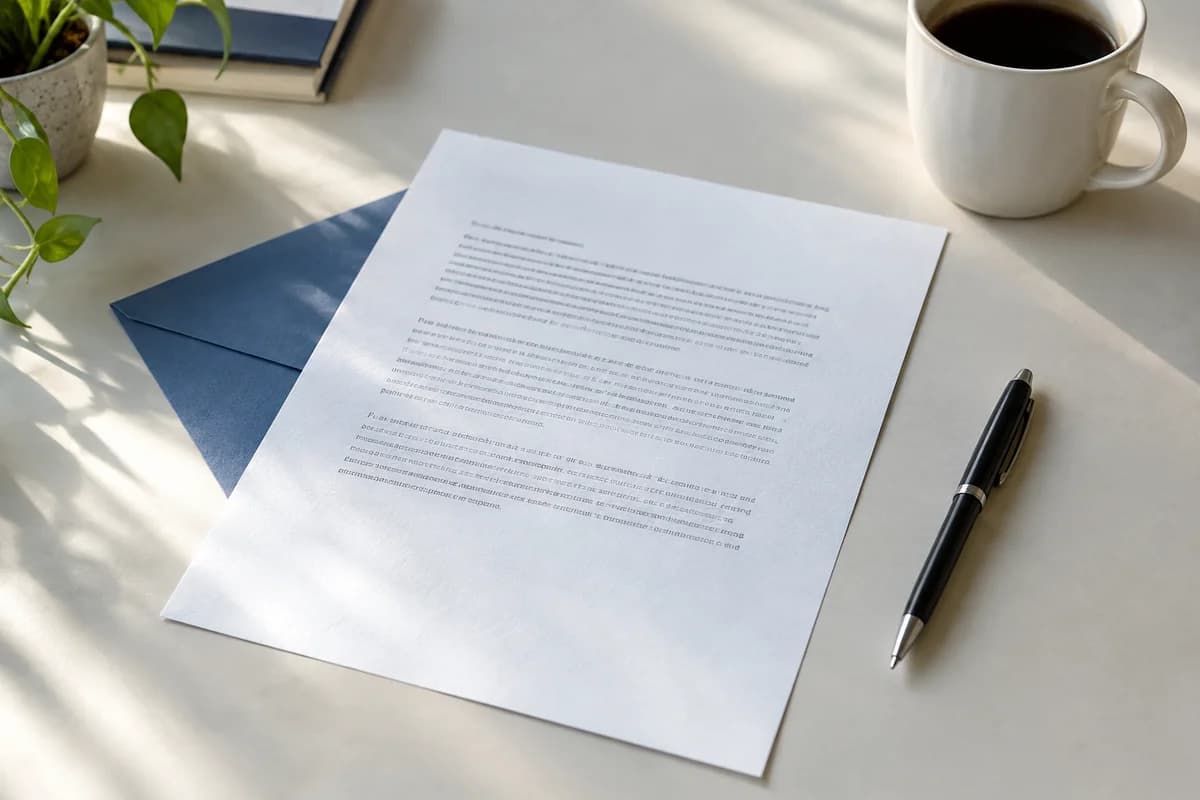
A cover letter gives you room to explain a connection that may be less obvious in a resume. You might use it to describe why a team’s work interests you, show how a project relates to the role, or give context for a career change.
Start by deciding what the letter should add. That decision will make the writing shorter and more focused.
Open with a specific connection
Name the role and explain what drew your attention. Use a detail from the job description or the organization’s own work that you can discuss honestly.
“I am excited to apply” is a reasonable beginning, but it needs something concrete after it. Explain the work you want to contribute to and why your experience connects to it.
Choose one useful example
Pick a project or experience that relates to a need in the role. Give the reader enough context to understand the challenge, then explain your contribution and what you learned or achieved.
You do not need to summarize every role in your career. A single well-explained example can give the letter a clear center.
An illustrative paragraph structure:
- Describe the problem or situation in one sentence.
- Explain what you did, with a specific detail.
- Connect that experience to the work in the new role.
Explain the context that matters
If you are changing fields, use the letter to connect transferable experience to the new work. If your portfolio contains a relevant project, briefly explain why you included it and link to it.
Keep personal context to what you want to share and what helps explain your application. You can be clear and direct without telling your entire story.
Every paragraph should help the reader understand your interest, your evidence, or the connection between them.
See the difference in a single paragraph
General claims are easy to write and hard to believe. Compare these illustrative versions:
Before: I am a hardworking team player with excellent communication skills, and I am confident I would be a great fit for your organization.
After: At my current clinic, I rewrote our appointment reminders after noticing that patients often arrived without the right forms. I would bring the same attention to clear patient communication to your coordinator role.
The first version could be sent to any employer by any applicant. The second gives the reader a small scene, shows how the person thinks, and connects it to the job.
Address it to the right person
Use a name if the listing gives one or if you can find the hiring manager with reasonable effort, such as on the organization’s website. Check the spelling and the person’s current title.
If you cannot find a name, do not guess. “Dear Hiring Manager” or “Dear Customer Support Team” is clear and polite, and it reads more naturally than “To Whom It May Concern.”
Keep the format simple
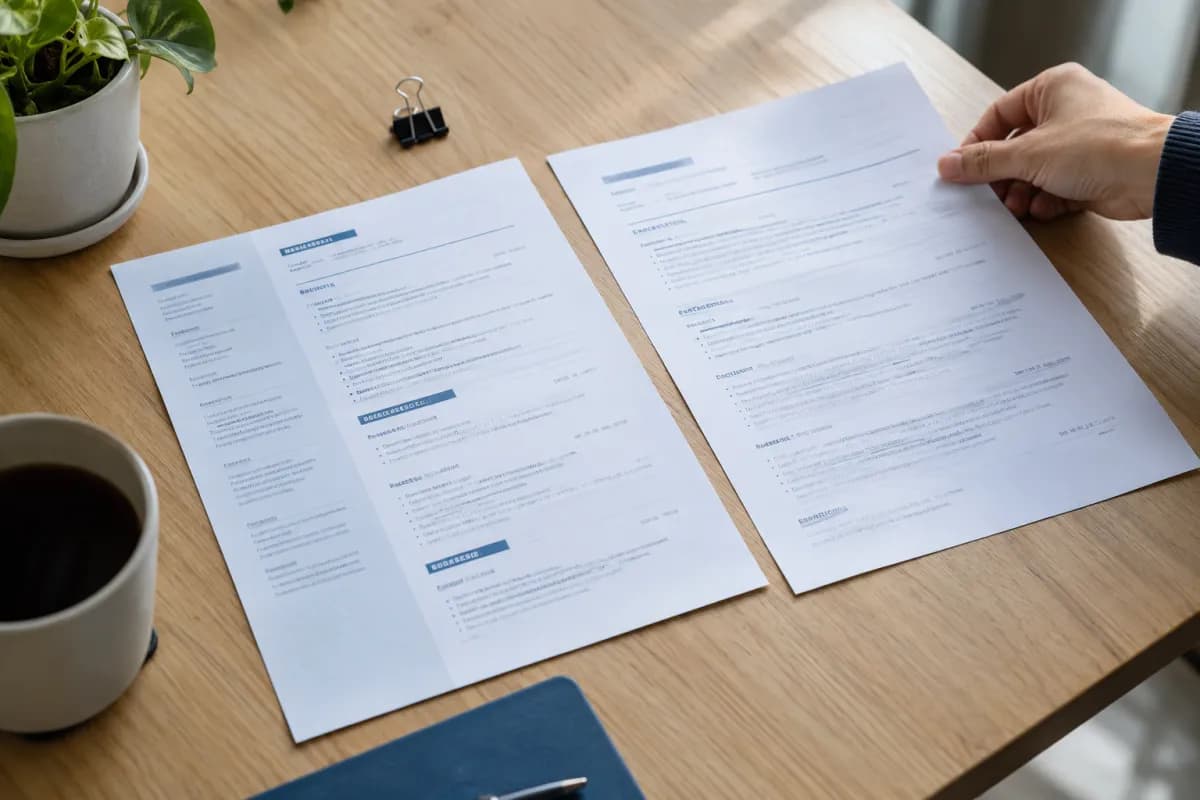
Most cover letters work well as three or four short paragraphs on a single page. Use the same name, contact details, and font as your resume, so that the two documents look like a set.
Follow the employer’s instructions on how to send it. If there is a dedicated upload field, use it. If you are applying by email and the listing does not say otherwise, a short version can go in the body of the message, with your resume attached.
Common mistakes are easy to catch at this stage:
- The wrong company name left over from another application.
- A role title that does not match the listing.
- Paragraphs that repeat your resume without adding anything.
- A focus on what the job would do for you, with little on what you would contribute.
Close with a clear next step
Thank the reader and express interest in discussing the role. Check that your contact information is easy to find and that any links open the intended page.
Before sending, remove sentences that could fit almost any employer. Read the letter alongside your resume to check that the two documents complement each other and use consistent details.
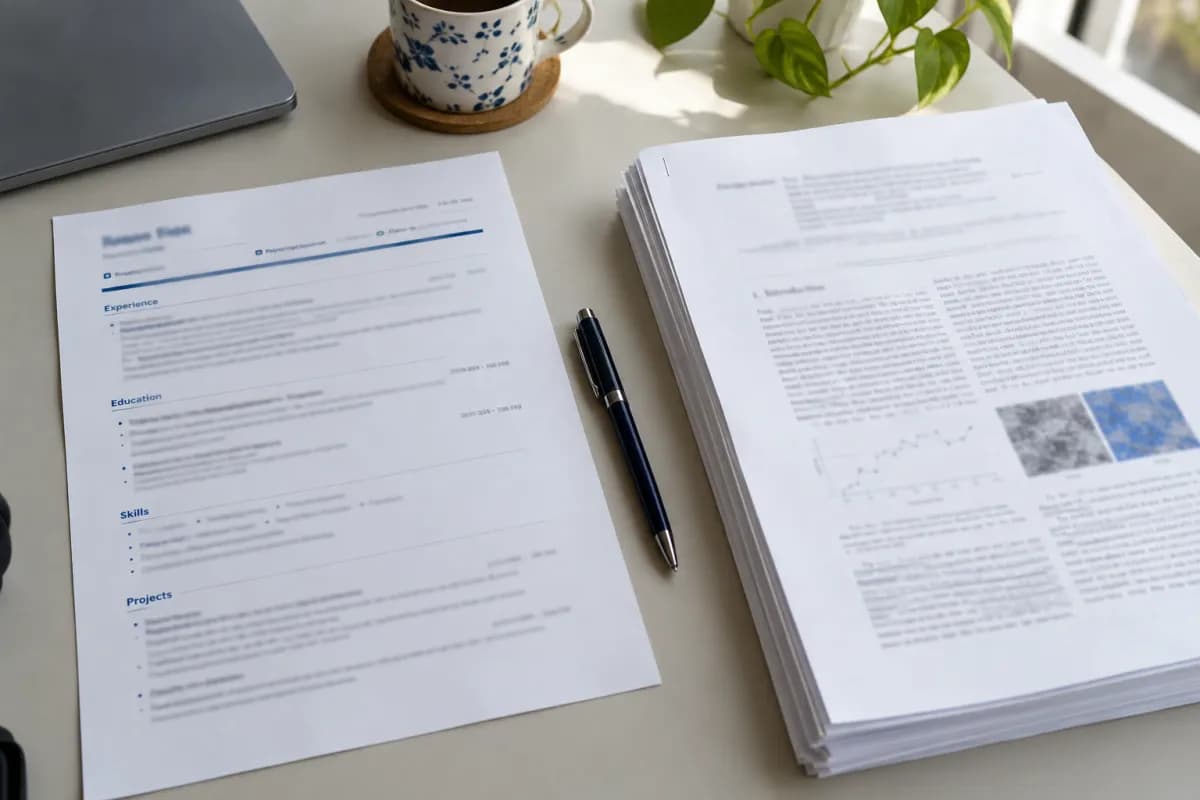
If your resume needs a refresh first, start with its structure. A clear resume makes it easier to decide which extra context belongs in the letter.